
Operation Trew
On 27 February 2025, Tropical Cyclone Alfred formed in the Coral Sea and began its approach towards the South East Queensland region.
On 7 March the Tropical Cyclone made landfall in the vicinity of Bribie Island and caused widespread and significant damage before it weakened to a Tropical Low.
Hundreds of thousands of homes were without power and prolonged and intense rainfall caused significant flooding in South East Queensland and Northern New South Wales.
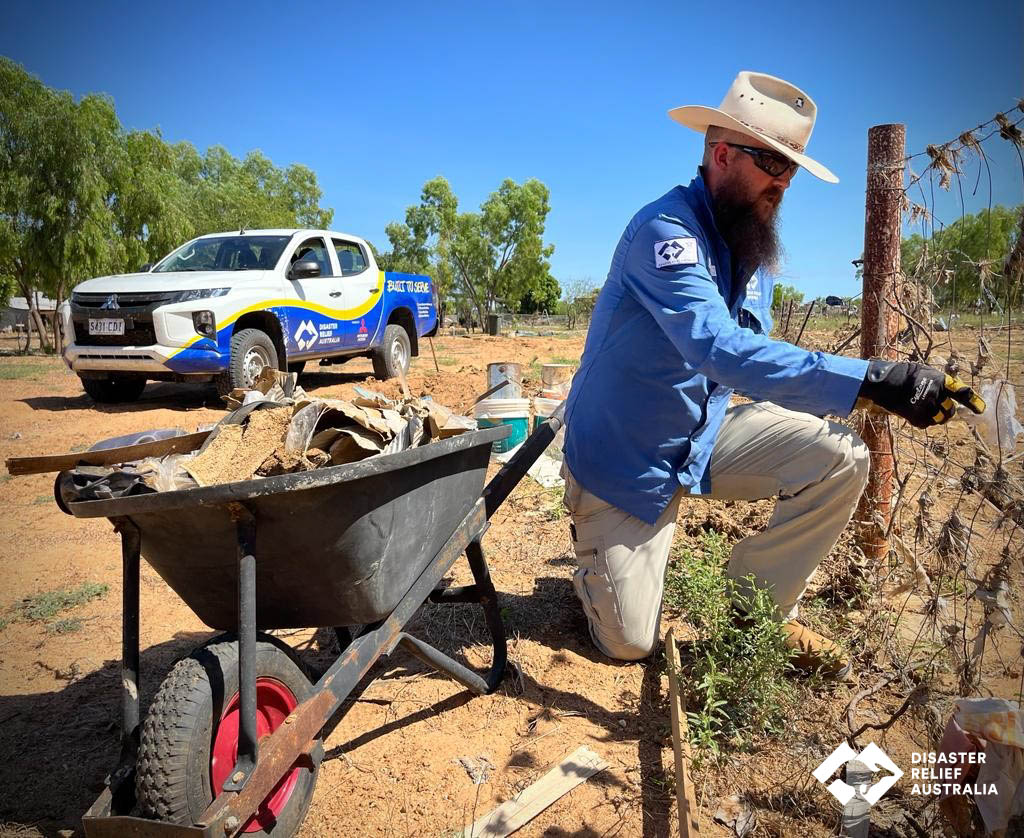
Tasked by the National Emergency Management Agency (NEMA) at the request of the State of Queensland, volunteers deployed on cyclone recovery operation to assist affected Local Government Areas (LGAs) from the Fraser Coast to the Gold Coast.
In total, 190 volunteers spent 13,909 hours in the field and completed more than 252 recovery tasks.
The story behind the name
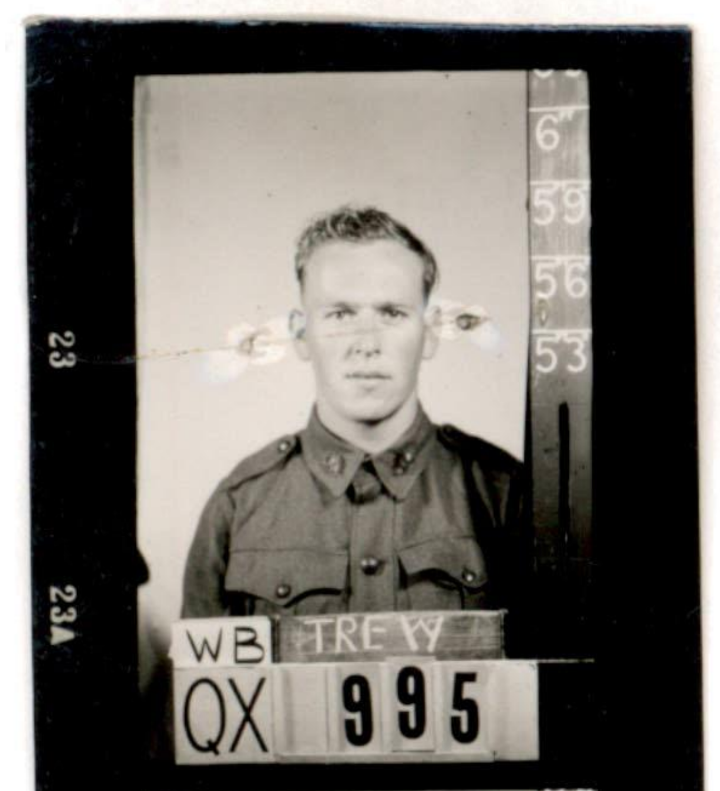
Operation Trew is named in honour of Sergeant Alfred William Trew who served in World War II in the Middle East and Pacific.
Alfred Trew was born in Tweed Heads on 13 November 1914. A draper’s assistant, he enlisted in the Australian Imperial Force (AIF) in Brisbane on 22 May 1940 before joining the 2nd Anti-Tank Regiment (later 2/2 Tank Attack Regiment).
He departed from Sydney for the Middle East on 18 October 1940 where he served in Palestine and Egypt. He was promoted to Sergeant before returning to Australia in March 1942. He then served again, this time in Morotai and Balikpapan before returning home to Sydney in November 1945.
Sergeant Trew died 19 December 1983 and is buried at Tweed Heads Lawn Cemetery.
Get involved
Planning for upcoming operational deployments is now underway. If you are keen to participate or find out more, express your interest today.